

Option #1
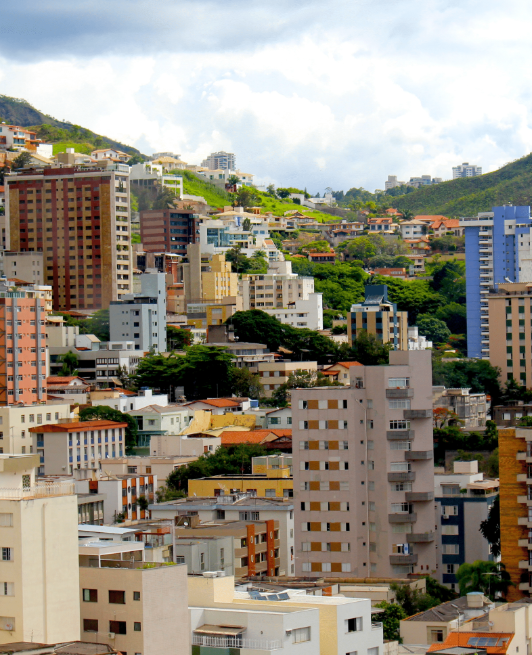
A neighborhood in Belo Horizonte, Brazil. Cities combine dense residential areas, workplaces, infrastructure, and services, shaping the opportunities available to workers. Barza et al., uses data from Brazil to open the black box of agglomeration effects, showing that the effects usually attributed to city size are statistically explained by economic complexity and workplace integration.
Image credit: César A. Hidalgo
Option #2
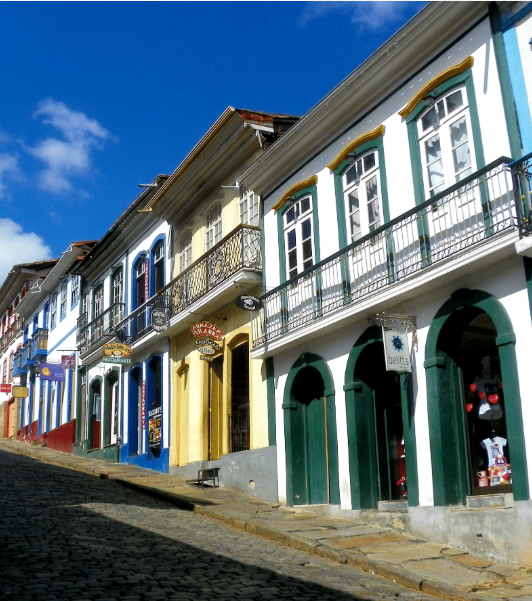
A neighborhood in Ouro Preto, Brazil. Cities combine dense residential areas, workplaces, infrastructure, and services, shaping the opportunities available to workers. Barza et al., uses data from Brazil to open the black box of agglomeration effects, showing that the effects usually attributed to city size are statistically explained by economic complexity and workplace integration.
Image credit: César A. Hidalgo
Option #3
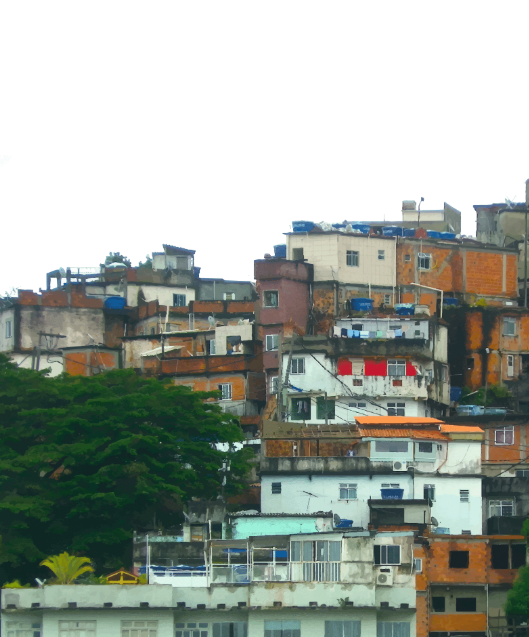
A neighborhood in Rio de Janeiro, Brazil. Cities combine dense residential areas, workplaces, infrastructure, and services, shaping the opportunities available to workers. Barza et al., uses data from Brazil to open the black box of agglomeration effects, showing that the effects usually attributed to city size are statistically explained by economic complexity and workplace integration.
Image credit: César A. Hidalgo
Option #4
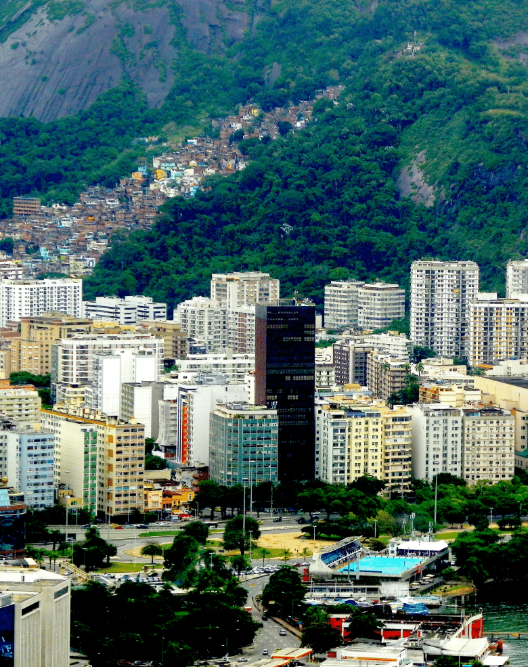
A neighborhood in Rio de Janeiro, Brazil. Cities combine dense residential areas, workplaces, infrastructure, and services, shaping the opportunities available to workers. Barza et al., uses data from Brazil to open the black box of agglomeration effects, showing that the effects usually attributed to city size are statistically explained by economic complexity and workplace integration.
Image credit: César A. Hidalgo
Option #5

A neighborhood in Rio de Janeiro, Brazil. Cities combine dense residential areas, workplaces, infrastructure, and services, shaping the opportunities available to workers. Barza et al., uses data from Brazil to open the black box of agglomeration effects, showing that the effects usually attributed to city size are statistically explained by economic complexity and workplace integration.
Image credit: César A. Hidalgo
Option #6
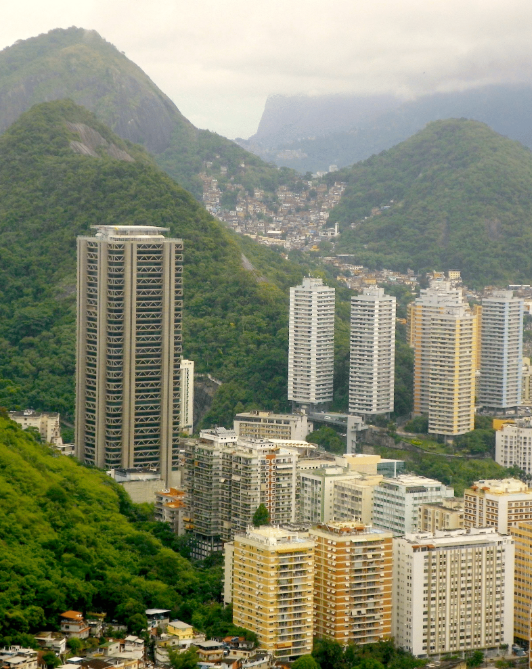
A neighborhood in Rio de Janeiro, Brazil. Cities combine dense residential areas, workplaces, infrastructure, and services, shaping the opportunities available to workers. Barza et al., uses data from Brazil to open the black box of agglomeration effects, showing that the effects usually attributed to city size are statistically explained by economic complexity and workplace integration.
Image credit: César A. Hidalgo
Option #7
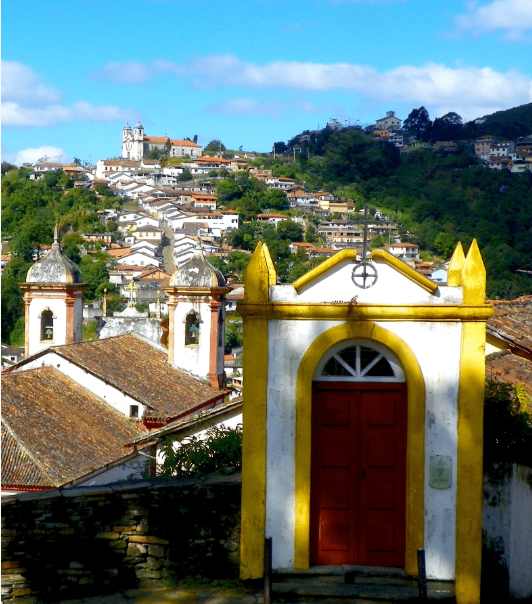
A neighborhood in Ouro Preto, Brazil. Cities combine dense residential areas, workplaces, infrastructure, and services, shaping the opportunities available to workers. Barza et al., uses data from Brazil to open the black box of agglomeration effects, showing that the effects usually attributed to city size are statistically explained by economic complexity and workplace integration.
Image credit: César A. Hidalgo
Option #8
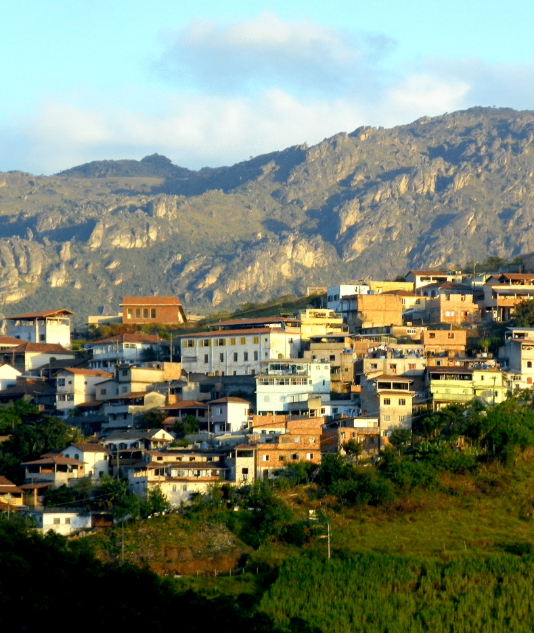
A neighborhood in Ouro Preto, Brazil. Cities combine dense residential areas, workplaces, infrastructure, and services, shaping the opportunities available to workers. Barza et al., uses data from Brazil to open the black box of agglomeration effects, showing that the effects usually attributed to city size are statistically explained by economic complexity and workplace integration.
Image credit: César A. Hidalgo
Option #9
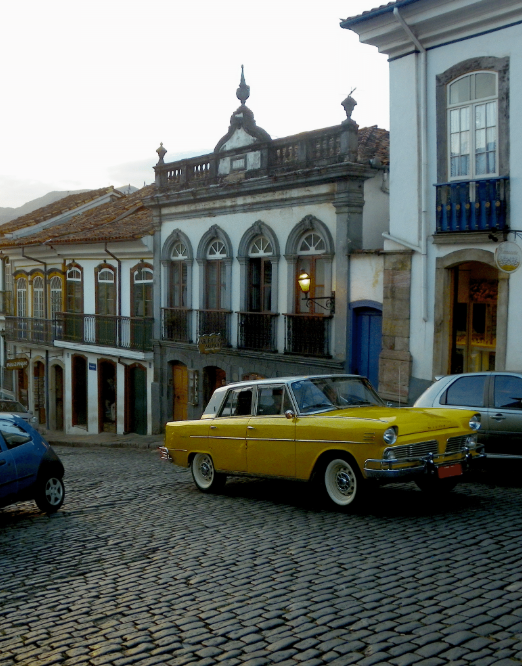
A neighborhood in Ouro Preto, Brazil. Cities combine dense residential areas, workplaces, infrastructure, and services, shaping the opportunities available to workers. Barza et al., uses data from Brazil to open the black box of agglomeration effects, showing that the effects usually attributed to city size are statistically explained by economic complexity and workplace integration.
Image credit: César A. Hidalgo
Option #10
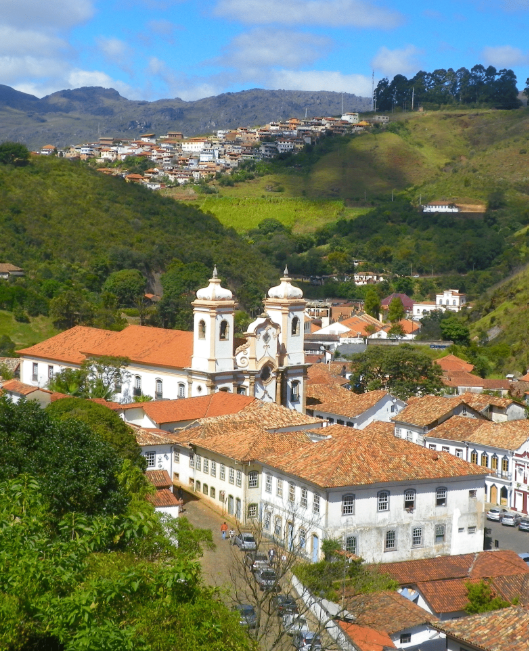
A neighborhood in Ouro Preto, Brazil. Cities combine dense residential areas, workplaces, infrastructure, and services, shaping the opportunities available to workers. Barza et al., uses data from Brazil to open the black box of agglomeration effects, showing that the effects usually attributed to city size are statistically explained by economic complexity and workplace integration.
Image credit: César A. Hidalgo